• Skip to primary navigation
  • Skip to main content
  • Skip to footer
  • Latest News
  • Contact Us
  • Store
  • Main Site
  • 651-261-2314
HeartCert CPR Duluth MN

HeartCert CPR Duluth MN

AHA CPR for the public and healthcare providers

  • Individuals
    • Nursing/CNA
    • CPR/AED/First Aid
    • BLS
    • EKG Training
    • Babysitter training
  • Nursing/CNA
  • Organizations
  • Virtual Training
    • CPR/AED/First Aid
    • BLS Healthcare Provider Courses
    • Advanced Life Support Courses
    • PALS Provider Courses
    • EKG Training
    • Babysitter training
  • About Us

CPR

Understanding the Connection Between Allergies, Inflammation, and Heart Health

2 years ago by tims Leave a Comment

For those with seasonal allergies, it can be difficult to deal with the sneezing, stuffiness, watery eyes, itchy throats and more that come with the condition. The discomfort and inconvenience caused by these symptoms can be more than bothersome, often impacting daily activities, productivity, and overall quality of life. Even though seasonal allergies are quite common, their effects go beyond physical discomfort and can influence various aspects of health and well-being. In this blog, we’ll look at the connection between allergies, inflammation and heart health.

How Seasonal Allergies Affect Inflammation and Heart Health

Allergies do in fact have a connection with inflammation in the body and overall heart health. There have been numerous studies that have highlighted the relationship between seasonal allergies, inflammation markers, and cardiovascular outcomes. Understanding this connection is important for individuals seeking to manage their allergies effectively while prioritizing their heart health.

As described in an article from CNN, ‘While prior research has shown a connection between having allergies and an increased risk of cardiovascular disease, “the question is why?” said pulmonologist Dr. Raj Dasgupta, an assistant professor of clinical medicine at the Keck School of Medicine at the University of Southern California.

“We can’t really show causality, but science does show it’s connected to pro-inflammatory mediators, things that trigger inflammation in the body,” said Dasputa, who was not involved in the study.’

Histamines, for example, can increase blood flow to the affected area when an allergen strikes, prompting the immune system to release antibodies, which causes inflammation. This explains why numerous allergy medications are antihistamines, which are made to counter the inflammatory reaction. While inflammation serves as the body’s defense mechanism against pathogens, an excessively active or prolonged response is a root cause of numerous chronic ailments, including diabetes, hypertension, and heart disease.

Source: CNN Allergies, Asthma Linked to Heart Disease, Study Says.

Caring for Your Heart While Managing Allergies

Allergies alone are not a source of heart disease, and there are many other contributors, including diabetes, obesity, smoking, a lack of exercise, and a family history of cardiovascular issues. There are things you can do to help. Understanding the connection between allergies and heart health is the first step in taking action to manage allergies properly to maintain heart health. Some practical tips that can help reduce inflammation and lessen the impact of seasonal allergies include: lifestyle adjustments such as minimizing exposure to allergens, maintaining a clean indoor environment, and practicing stress-reduction techniques can make a significant difference. Additionally, dietary considerations, including consuming anti-inflammatory foods, staying hydrated, and consuming heart-healthy foods, can play a crucial role in overall health. You may also want to explore potential treatment options with a healthcare provider, such as allergy medications or immunotherapy, which can provide further relief and support in managing allergies for optimal heart health.

Learn More: Four Things to Know About High Blood Pressure

Protect the hearts of those around you by taking a CPR/AED and first aid course at one of HeartCert CPR’s nationwide locations. Register for a course today.

Register Today

HeartCert is your trusted training partner for CPR, ACLS, PALS, EMR, First Aid, CNA, IV, EKG and more, throughout the United States.

Courses include CPR/AED/First Aid, Basic Life Support (BLS), Advanced Cardiac Life Support (ACLS), Pediatric Advanced Life Support (PALS), Certified Nursing Assistant training, IV training, EKG training, babysitter basics and more. Courses and certifications from both the American Heart Association and American Red Cross are available.We offer virtual courses and certifications, in all 50 states as well as in-person classes at our headquarters, HeartCert CPR Eagan and major cities in Iowa, Illinois, Georgia, Michigan, Minnesota, Mississippi, Nebraska, Pennsylvania, Texas and Wisconsin.


Filed Under: CPR, News Tagged With: CPR, CPR Certification, CPR course, CPR training, health, health tips, heart attack risk factors, HeartCert, HeartCert CPR, lifestyle

ACLS Certification: What It Is and How to Get Started

2 years ago by tims Leave a Comment

If you are a healthcare professional looking to further your education and be more equipped to care for your patients then you may be looking for continuing education classes to maintain and further your skillset. There are many options available and one course that fits the criteria is Advanced Cardiac Life Support (ACLS). Find out more about what ACLS training is and how you can get started.

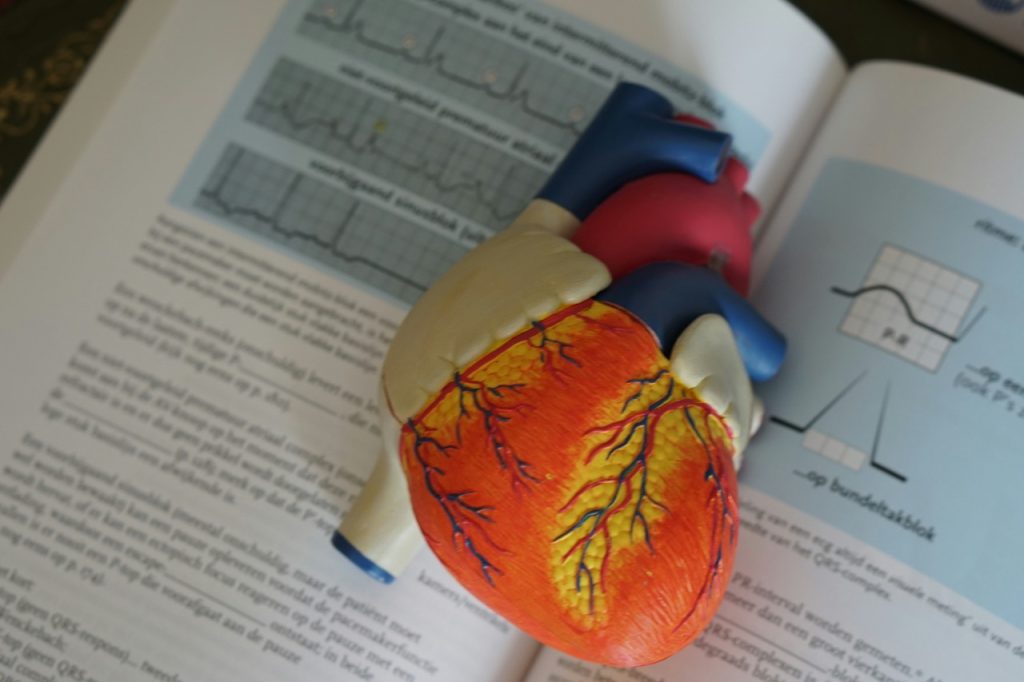
ACLS training book and heart model

What is Advanced Cardiac Life Support (ACLS) Certification?

The American Heart Association Advanced Cardiac Life Support (ACLS) training course incorporates the information needed to apply advanced life support measures while functioning in a team leader role.

As described by AHA here is what you will learn in this course: 

  • Basic life support skills, including effective chest compressions, use of a bag-mask device, and use of an AED
  • Recognition and early management of respiratory and cardiac arrest
  • Recognition and early management of peri-arrest conditions such as symptomatic bradycardia
  • Airway management
  • Related pharmacology
  • Management of ACS and stroke
  • Effective communication as a member and leader of a resuscitation team

Who Would Benefit from ACLS Certification?

Physicians, ER nurses, respiratory therapists, and advanced emergency medical personnel are some of the individuals who would greatly benefit from ACLS certification. This certification is especially valuable for individuals who frequently function in team leader roles or need to apply advanced resuscitation techniques for adult patients.

How to Know If I Can Take an ACLS Course?

If you’re considering enrolling in an ACLS (Advanced Cardiovascular Life Support) course, it’s important to know whether you meet the necessary criteria to enroll and go through the course successfully. Here are some of the recommended requirements and prerequisites: 

  • A solid grasp of cardiac rhythm interpretation is essential.
  • Working knowledge of intubation/IV techniques and advanced cardiac skills are required.
  • Excellent BLS (Basic Life Support) skills are a prerequisite.
  • Be prepared for a challenging curriculum, including both written and practical exams.

For healthcare professionals looking to enhance their expertise and advance their careers, ACLS certification can open doors to new opportunities and make a significant impact on abilities in patient care.

Quality ACLS Certification Simplified with HeartCert 

With a growing need for qualified healthcare professionals, there are many opportunities for essential training and advanced classes available. We understand there is significant value in high-quality certification options that are flexible for busy schedules. This is why HeartCert is on a mission to make obtaining your certification and recertification an easy process, all while providing you with the highest quality instructors and a comprehensive curriculum.

With BLS as a prerequisite, minimal breaks, smaller class sizes, and the option to conveniently add BLS recertification during registration, certification can be completed in one full day. Find out more about HeartCert’s upcoming ACLS certification courses and register today.

Register Today

HeartCert is your trusted training partner for CPR, ACLS, PALS, EMR, First Aid, CNA, IV, EKG and more, throughout the United States.

Courses include CPR/AED/First Aid, Basic Life Support (BLS), Advanced Cardiac Life Support (ACLS), Pediatric Advanced Life Support (PALS), Certified Nursing Assistant training, IV training, EKG training, babysitter basics and more. Courses and certifications from both the American Heart Association and American Red Cross are available. We offer virtual courses and certifications, in all 50 states as well as in-person classes at our headquarters, HeartCert CPR Eagan and major cities in Iowa, Illinois, Georgia, Michigan, Minnesota, Mississippi, Nebraska, Pennsylvania, Texas and Wisconsin.
Filed Under: CPR, News Tagged With: acls, American Heart Association, CPR, CPR Certification, CPR course, CPR training, HeartCert, HeartCert CPR

It’s National Heart Month: Give Your Heart Some Love

2 years ago by tims Leave a Comment

February is often thought to be the month of love, and just about everywhere you look, red, pink, and purple heart shapes are at the forefront. While it’s certainly an excellent time to shower affection on those dear to you, this month also marks National Heart Month, and it’s always a good time to take care of yourself. So, how can you promote a healthy heart and lifestyle to maintain your overall well-being? We’ll cover what you need to know to give your heart some love this month and beyond.

Lifestyle Choices for Heart Health

Embracing a heart-healthy lifestyle involves making mindful choices that contribute to overall well-being. This includes more apparent factors such as maintaining a healthy weight, not smoking, and managing your cholesterol and blood pressure. Another lifestyle practice you will want to incorporate is stress management. Integrating stress-reducing activities into your routine, such as meditation and mindfulness practices, can have a profound impact on your heart health. 

How Does Stress Impact Heart Health?

Food and Diet 

Making healthy food choices is an important part of maintaining a healthy heart. Prioritize whole foods, incorporate high-fiber snacks, and embrace healthy fats to foster cardiovascular well-being and diminish the likelihood of heart disease. Keep a mindful eye on portion sizes and strive to minimize the intake of processed foods and sugary drinks.

Top Ten Tips for Choosing Heart-Healthy Snacks 

Movement and Exercise

It’s well known that a sedentary lifestyle can lead to health problems, such as weight gain, cardiovascular disease, and more. Making sure that you get daily movement and regular exercise is an essential factor in maintaining a healthy heart and overall well-being. Incorporating a brief 20-minute walk daily or opting to stand at your desk can bring about a substantial positive change in your everyday routine, contributing to a healthier lifestyle.

5 Exercises to Promote Heart Health

Understand the Signs

If you or someone around you were experiencing heart complications, such as a heart attack, would you know what to look for? Some of the most apparent signs include chest pain or discomfort, shortness of breath, and overwhelming fatigue. Additional indicators may include pain or discomfort in the arms, neck, jaw, or back. Recognizing these symptoms promptly is crucial for seeking immediate medical attention and potentially saving a life. Understanding these signs can empower you to act swiftly in a cardiac emergency.

Know Your Family History

Being aware of your family history and recognizing the potential risks of chronic illness or heart disease is an aspect of self-care and maintaining optimal health. If specific diseases are prevalent in your family, you will want to take precautions to minimize the likelihood of a diagnosis and associated conditions.

Learn CPR

One of the best ways to show love to the hearts around you is by learning CPR. Being equipped with this life-saving skill enables you to respond swiftly in emergencies. HeartCert offers many flexible options to receive your CPR certification so you can stay prepared to provide immediate assistance when needed.

View CPR Classes

HeartCert CPR is your trusted training partner for CPR, ACLS, PALS, EMR, First Aid, CNA, IV, EKG and more, in Minnesota and throughout the United States.

HeartCert CPR courses include CPR/AED/First Aid, Basic Life Support (BLS), Advanced Cardiac Life Support (ACLS), Pediatric Advanced Life Support (PALS), Certified Nursing Assistant training, IV training, EKG training, babysitter basics and more. Courses and certifications from both the American Heart Association and American Red Cross are available.

We are now offering virtual CPR courses and certifications, as well as safe in-person courses at all locations and our headquarters, HeartCert CPR Eagan.

Filed Under: CPR, News Tagged With: CPR, CPR course, CPR training, health, health tips, HeartCert, HeartCert CPR, lifestyle

Customized CPR Training that Fits Your Life and Schedule

2 years ago by tims Leave a Comment

At HeartCert CPR, our goal is to help you help others. We understand the importance of flexibility in education, which is why we provide in-person, virtual and hybrid CPR course options.

Our courses are designed to meet the needs of individuals and organizations seeking CPR certification without the constraints of in-person sessions. Whether you’re an individual, organization, or healthcare professional, our CPR / First Aid courses offer a convenient pathway to enhance your skills. 

Find out more about our diverse and accessible learning options:

In-Person CPR Classes

Our in-person classes are available to individuals who prefer to learn in person and hands-on in a small group setting. HeartCert CPR provides this option in many locations nationwide. This hands-on experience ensures dedicated attention and guidance from our experienced instructors and is perfect for individuals who value the immersive and personal touch of face-to-face education.

Find Out More

Private 1-on-1 Flexible CPR Classes

For those wanting a hybrid experience with ultimate flexibility, our Private 1-on-1 Flexible Class provides a customized learning environment. Schedule your CPR course at a time that suits you. After registration, you’ll receive immediate access to the online videos and tests. Schedule a time to come in for your private CPR certification session and you’ll be guided the rest of the way. You will first get a chance to review and practice by yourself and then an instructor will connect with you virtually to go over questions and finalize your American Red Cross certification. This option is ideal for individuals with busy schedules or specific learning preferences, ensuring a personalized and efficient certification process.

Learn More or Register Today

Onsite Group CPR Classes:

Bringing people together for a shared learning experience, our group classes foster a collaborative environment. Perfect for organizations or groups of individuals looking to enhance their CPR skills collectively, these sessions offer both convenience and social learning. Our experienced instructors will certify your group at a time and location of your choosing.

Personalized, onsite CPR/First Aid training is a great solution for: daycares, group/assisted living homes, construction sites, schools, church groups, manufacturing facilities, and any company safety first response team.

Find Out More

Online Training 

Designed for ultimate convenience, this method allows you to learn at your own pace, anytime, anywhere. Access engaging course materials, interactive modules, and assessments online, making it an excellent choice for those who prefer a self-directed learning approach. HeartCert CPR brings the classroom experience to your fingertips, ensuring you can earn your certification easily.

Learn More or Register Today

When you are looking to receive or renew your CPR education, HeartCert CPR is the solution to flexible and accessible training. From immersive in-person classes to personalized 1-on-1 sessions, collaborative group classes, and convenient online training, we offer many diverse options to obtain your CPR certification. Whether you seek hands-on engagement or virtual convenience, HeartCert CPR is your partner in protecting the hearts of those around you. Join us in making a difference with expanded CPR expertise. Register for a course today.

Register Today

HeartCert CPR is your trusted training partner for CPR, ACLS, PALS, EMR, First Aid, CNA, IV, EKG and more, in Minnesota and throughout the United States.

HeartCert CPR courses include CPR/AED/First Aid, Basic Life Support (BLS), Advanced Cardiac Life Support (ACLS), Pediatric Advanced Life Support (PALS), Certified Nursing Assistant training, IV training, EKG training, babysitter basics and more. Courses and certifications from both the American Heart Association and American Red Cross are available.

We are now offering virtual CPR courses and certifications, as well as safe in-person courses at all locations and our headquarters, HeartCert CPR Eagan.

Filed Under: CPR, News Tagged With: American Heart Association, CPR, CPR Certification, CPR course, CPR training, HeartCert, HeartCert CPR

5 Reasons Why Everyone Should Know CPR

2 years ago by tims Leave a Comment

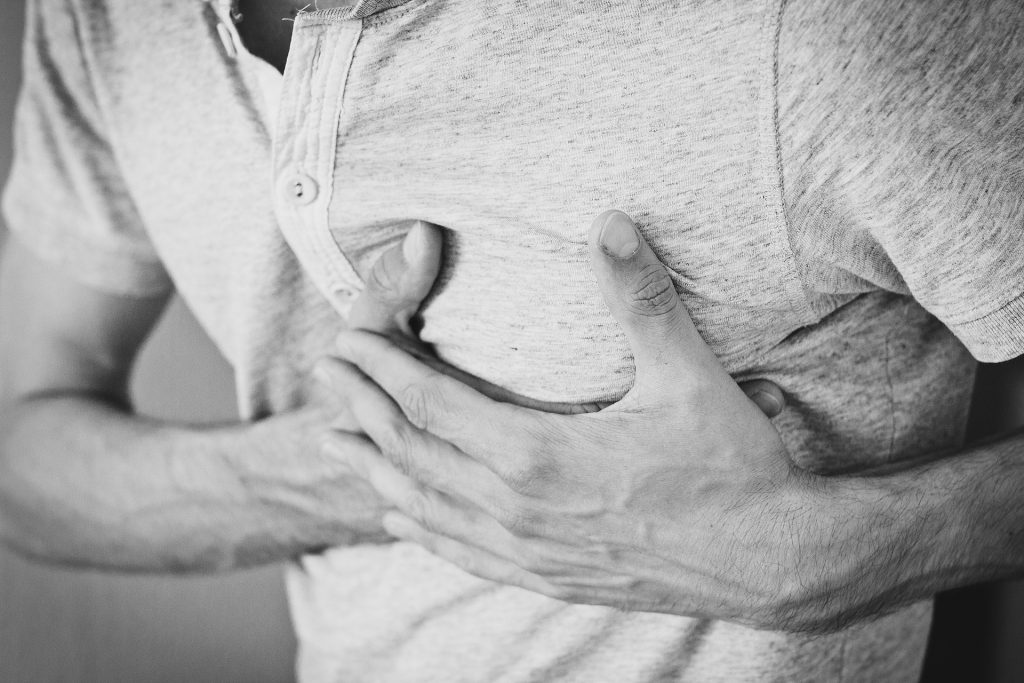
man clutching chest - why everyone should know cprWould you know what to do if a loved one collapsed suddenly in front of you? Cardiovascular diseases are the most common cause of death in the world. CPR can be the difference between life and death. You can’t assume that someone else will step in – that’s why it’s so important to learn CPR. Getting certified is easier than you think. Reserve your spot now!

1. CPR Saves Lives

Over 300,000 individuals experience cardiac arrests annually in the United States. Sudden cardiac arrest disrupts the heart’s electrical rhythm, leading to a failure in effective blood pumping. This can lead to a person suddenly collapsing, losing consciousness, and stopping breathing. Prompt CPR can substantially boost survival rates by maintaining blood circulation until advanced medical assistance arrives, increasing the chances of survival by more than double when initiated early.

View CPR Classes

2. CPR is Not Performed Enough

Would you be surprised to learn that bystander CPR is done in less than half of all out-of-hospital cardiac arrests? National statistics have shown that only 15 to 30 percent of people who experience sudden cardiac arrests outside of hospitals receive bystander CPR. 

When people are asked why they would not give CPR, a very common answer is that they never received training. Other concerns include fear of harming the individual in need of lifesaving support, legal risks, or concerns about infection. These concerns often diminish once people learn proper CPR techniques, and CPR-trained individuals find themselves empowered to help others in the event of a medical emergency.

3. You Don’t Have to Do Mouth-to-Mouth Resuscitation

Another reason people report they do not perform CPR is because of concerns about performing mouth-to-mouth resuscitation. In 2010, the guidelines for performing CPR changed, and they now say that those who do not feel comfortable or who have not received formal training, should attempt hands-only CPR. We advocate performing chest compressions even without breathing assistance. Hands-only CPR has been proven to be just as effective for many adults who experience sudden cardiac arrest.

4. Hands-Only CPR is Easy to Learn

Here are the basic steps to perform hands-only CPR:

  1. Place the heel of your hand on the center of the victim’s chest. 
  2. Place your other hand on top of the first, interlacing your fingers. 
  3. Press down on the chest about two inches and release. 

You want to repeat this quickly, at least 100 times a minute. And don’t stop doing CPR until emergency services arrive at the scene – recent studies have found that people may have a better chance of surviving with normal brain function when CPR is continued up to 38 minutes or even longer.

With the advancement in technology, learning CPR has never been easier. HeartCert offers in-person, online, private kiosk, and group CPR courses that are accessible and convenient based on your schedule and learning style. The goal is to find the learning technique that works best for you so that you are comfortable if you are ever in a situation where you can save a life!

5. Most Cardiac Arrests Occur in the Home

More than 85 percent of cardiac arrests take place at home. As a result, individuals frequently report having their lives saved because of CPR performed by a husband, wife, child, or friend. In fact, there has been a big push, led by the American Heart Association, to bring CPR training to schools, which can save even more lives. So take the challenge. If you don’t know CPR, learn CPR and gain the confidence in knowing that if you are ever needed, you too can save a life!

 Don’t wait until it’s too late – register to learn CPR today. 

This is an updated blog post that was originally published in 2016.


HeartCert CPR is your trusted training partner for CPR, ACLS, PALS, EMR, First Aid, CNA, IV, EKG and more, in Minnesota and throughout the United States.

HeartCert CPR courses include CPR/AED/First Aid, Basic Life Support (BLS), Advanced Cardiac Life Support (ACLS), Pediatric Advanced Life Support (PALS), Certified Nursing Assistant training, IV training, EKG training, babysitter basics and more. Courses and certifications from both the American Heart Association and American Red Cross are available.

We are now offering virtual CPR courses and certifications, as well as safe in-person courses at all locations and our headquarters, HeartCert CPR Eagan.

Filed Under: News Tagged With: cardiac arrest, CPR, CPR Certification, cpr class, CPR course, heart attack, HeartCert CPR

What Kind of Work Does a CNA Do?

2 years ago by tims Leave a Comment

A Certified Nursing Assistant or a CNA is primarily responsible for providing basic patient care. This basic care may include assisting patients with bathing, eating, using the restroom, or simply walking. Their healthcare involvement may consist of taking vital signs, assisting with medical procedures and more. With their versatility and wide-ranging tasks, Certified Nursing Assistants have become highly sought-after healthcare professionals, proving to be invaluable team members in the healthcare industry. Find out more about what CNAs do.

CNA nurse graduate
photo credit : Patty Brito on Unsplash

What does a CNA do?

Basic Patient Care

One of the main responsibilities of a CNA is providing patients with basic care. This can be basic everyday functions such as eating, dressing and grooming. In short, they help patients maintain personal hygiene and comfort.

Why Should I Become a CNA?

Vital Signs Monitoring

Another duty of a CNA includes monitoring vital signs. CNAs are trained to measure and document vital signs, including blood pressure, pulse, temperature and respiratory rate. Regularly monitoring these vital signs is crucial for healthcare professionals when assessing a patient’s overall health. 

Medication Support

A CNA will help with administering medications under the guidance and supervision of a licensed healthcare professional or registered nurse. CNAs will ensure that patients are administered the correct medications at the appropriate times.

Learn More: Trained Medication Administration (TMA) Course

Procedure Assistance

Certified nursing assistants may assist nurses and medical staff with medical procedures. This could include tending to wounds, assisting patients by transferring them from various areas within their room, specimen collection and more.

Observation

CNAs are responsible for carefully observing patients and promptly reporting on changes in their condition. This is an essential function as it can help healthcare professionals detect and address any potential health issues. 

These are just some of the meaningful contributions that Certified Nursing Assistants make in caring for patients. With an extensive range of responsibilities, CNAs assist nursing teams and other medical staff with delivering quality healthcare services to those they care for. Certified nursing assistants are critical to the care and well-being of patients in the healthcare system. If you would like to learn more about becoming a CNA or would like to start your career supporting others, sign up for our CNA Nursing Certification.

Register Today

HeartCert CPR is your trusted training partner for CPR, ACLS, PALS, EMR, First Aid, CNA, IV, EKG and more, in Minnesota and throughout the United States.

HeartCert CPR courses include CPR/AED/First Aid, Basic Life Support (BLS), Advanced Cardiac Life Support (ACLS), Pediatric Advanced Life Support (PALS), Certified Nursing Assistant training, IV training, EKG training, babysitter basics and more. Courses and certifications from both the American Heart Association and American Red Cross are available.

We are now offering virtual CPR courses and certifications, as well as safe in-person courses at all locations and our headquarters, HeartCert CPR Eagan.

Filed Under: News Tagged With: certified nursing assistant, CNA, CPR, HeartCert, HeartCert CPR, nursing assistant

Five Reasons to Learn CPR in 2023

3 years ago by tims Leave a Comment

Five Reasons to Learn CPR in 2023

In 2023 the importance of learning life-saving skills like CPR (cardiopulmonary resuscitation) has never been more critical. With the ever-changing landscape of global health and safety concerns, being equipped with the knowledge and ability to respond effectively in an emergency situation can make a world of difference. Here we’ll look at five impactful reasons why learning CPR should be a priority.

Check out our full lineup of CPR, AED and first aid courses, and read on for five great reasons to learn CPR in 2023!

CPR Can Save a Life woman learning cpr from instructor

More than 350,000 people suffer from cardiac arrest every year in the U.S. When this happens, time is of the essence – the longer the body stays in arrest, the lower the chance of survival. CPR helps the blood circulate until help arrives. In fact, research shows that the likelihood of surviving a cardiac arrest more than doubles when CPR is performed.

6 CPR Facts You May Not Know

More CPR is Needed

Bystander CPR is performed in less than half of cardiac arrests in the U.S. – between 15 and 30 percent, in fact. The most common reason given for not performing CPR is a lack of training.

CPR Does Not Require Mouth-to-Mouth Resuscitation

In 2010, the guidelines for performing CPR were changed. Now, only people who are trained and feel comfortable performing mouth-to-mouth resuscitation should do so. For the rest, hands-only CPR is an excellent, life-saving option. 

Related Read: Why Should I Learn CPR?

Most Cardiac Arrests Happen at Home

More than 85 percent, in fact. You may need CPR to save the life of your parent, spouse, sibling or child. What better motivation is there?

CPR is Easy to Learn!

CPR classes are readily available, affordable, and take just a couple of hours. That’s a small trade-off for learning how to save a life. With HeartCert’s Virtual Red Cross CPR/AED/First Aid course you can learn CPR in no time. Sign up today and gain instant access to required course videos and materials so that you can complete our virtual CPR training online. For a more hands on experience, we offer a revolutionary one-on-one experience with our CPR Kiosk training where you can learn life-saving skills on your time with a private instructor.  

Whether you’re a caregiver, a healthcare professional or a prepared individual, acquiring CPR knowledge is invaluable and can empower you to act confidently during a health emergency. The benefits of CPR training are extensive, from saving lives and increasing community resilience to boosting your confidence and being prepared for unforeseen emergencies. 

Ready to learn CPR in 2023?

Check out the HeartCert CPR class offerings and sign up today.

This is an updated blog post that was originally published in 2019.


HeartCert CPR is your trusted training partner for CPR, ACLS, PALS, EMR, First Aid, CNA, IV, EKG and more, in Minnesota and throughout the United States.

HeartCert CPR courses include CPR/AED/First Aid, Basic Life Support (BLS), Advanced Cardiac Life Support (ACLS), Pediatric Advanced Life Support (PALS), Certified Nursing Assistant training, IV training, EKG training, babysitter basics and more. Courses and certifications from both the American Heart Association and American Red Cross are available.

We are now offering virtual CPR courses and certifications, as well as safe in-person courses at all locations and our headquarters, HeartCert CPR Eagan.

Filed Under: CPR, News Tagged With: CPR, CPR training, reasons to take cpr classes

Join Us at Our Grand Opening Celebration and Fundraiser

3 years ago by bwadmin Leave a Comment

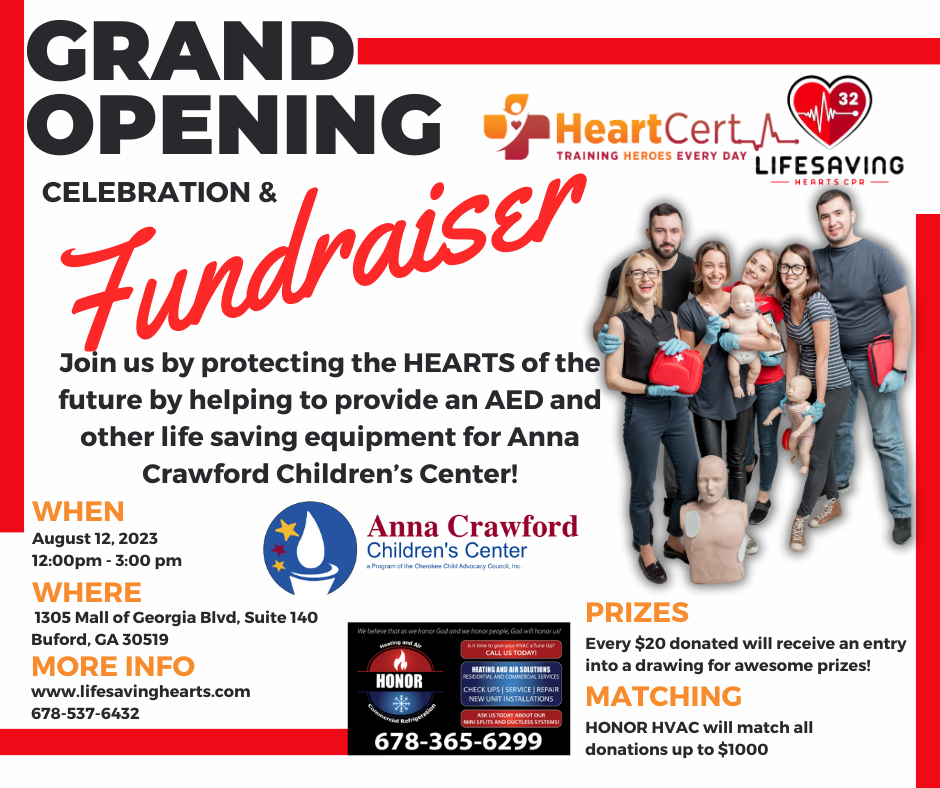
Grand opening graphic with event info

HeartCert and Lifesaving Hearts invite you to attend our newest locations’ grand opening celebration and fundraiser at our newest HeartCert training location in Buford Georgia. This event will be a meaningful way to give back to the local community and learn more about the valuable life-saving training programs offered by HeartCert.

This event will take place at our newest training facility in Buford, Georgia on August 12th, 2023 from 12pm-3pm.

Located at 1305 Mall of Georgia Blvd STE 140 Buford, GA 30519

The mind grows by taking in, but the heart grows by giving out. 

Join us in protecting the hearts of the future by helping to provide an AED for Anna Crawford Children’s Center!

Related Read: Why Every Business Should Have an AED Onsite

Here is what we are fundraising for:

  • Zoll 3 AED with extra pads
  • AED Wall Cabinet and sign
  • Bleeding control kit
  • Narcan Kit

We could not be more pleased to share that local company Honor Heating and Air, will be doing a $1 for $1 company match up to $1,000!

This event is an excellent opportunity to support a worthy cause while also getting the chance to connect with our expert training instructors and learn more about all the courses we have available including CPR, AED, First-Aid, BLS and more.

Can’t make it to the event or not located in the Atlanta area?

You can still help the cause and make a donation here: Donate to Support Anna Crawford Children’s Center 

At our event we will be offering door prize giveaways for donations received. For every $20 donated, people will receive 1 entry into the giveaway. We will have several different prizes and will draw for the winners at the end of the event (note winners will be notified the Monday following the event).

We hope to see you at our grand opening celebration. If you have any questions on this event or on training courses offered by HeartCert contact us today.


HeartCert CPR is your trusted training partner for CPR, ACLS, PALS, EMR, First Aid, CNA, IV, EKG and more, in Minnesota and throughout the United States.

HeartCert CPR courses include CPR/AED/First Aid, Basic Life Support (BLS), Advanced Cardiac Life Support (ACLS), Pediatric Advanced Life Support (PALS), Certified Nursing Assistant training, IV training, EKG training, babysitter basics and more. Courses and certifications from both the American Heart Association and American Red Cross are available.

We are now offering virtual CPR courses and certifications, as well as safe in-person courses at all locations and our headquarters, HeartCert CPR Eagan.

Filed Under: News Tagged With: CPR, CPR Certification, CPR course, CPR training, HeartCert CPR

HeartCert Continues to Grow and Welcomes Newest Employee

3 years ago by tims Leave a Comment

At HeartCert we value and see the benefit of being at the forefront of technology. HeartCert’s founder and Director of Operations, Tim Smith, enlightens, ‘We strive to continue innovating to make our company, training courses and offerings to the public more convenient and streamlined.‘

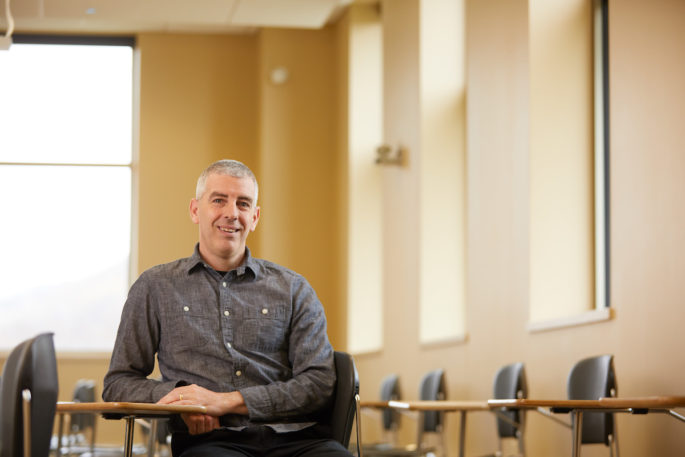
image of man in classroom

Terry Smith Director of Technology and AI Integration

Terry’s Mission

In order to achieve these goals, newest employee Terry Smith will spearhead HeartCert’s new Artificial Intelligence (AI) department. Artificial Intelligence (AI) technology continues to make strides and has been at the forefront of mainstream media. Many understand the possibilities it presents to businesses large and small; the potential is significant, with the ability to improve efficiencies, analyze data and streamline operations, to name a few. However, learning how to incorporate its potential proves to be challenging.

Terry’s role as Director of Technology and AI Integration at HeartCert will keep the company current on the latest advances in artificial intelligence technologies. Terry will work with the team to identify areas to implement AI technologies into their processes to improve the company and customer experience.

Learn more about HeartCert

Terry’s Background

Technology guru Terry Smith has worked as an audio/video specialist and control systems programmer for ten years. He worked with touch panels, lighting systems, and classroom technologies to design and install classroom technology systems on college campuses. Terry then left the field and became a Professor in the Department of Communication Studies at UW-La Crosse. For twelve years, he specialized in public speaking and has taught classes like Communicating Effectively, Media and Society, and Presentational Speaking. Over the years, he has served in various roles, including a stint as the Director of the Public Speaking Center. 

Terry currently serves on the University Community of AI Practice, where they discuss the academic use of AI. The current scope of their analysis includes concerns on plagiarism and the potential use of AI for teaching and learning. Terry shares “My experience in the fields of technology, media, and Communication Studies combine to give me a great understanding of how to train and prepare people to optimize their use of AI.“

Find a HeartCert Training Center Near You

The professional background and extensive experience Terry brings to the team will enable HeartCert to continue expanding their training offerings and geographical footprint. HeartCert is confident this addition to its Leadership team will support the company and its capabilities to bring quality trainings to the public, businesses and medical professionals. 

For more information and to schedule your training sessions Contact HeartCert today at 651-261-2314.

HeartCert CPR is your trusted training partner for CPR, ACLS, PALS, EMR, First Aid, CNA, IV, EKG and more, in Minnesota and throughout the United States.

HeartCert CPR courses include CPR/AED/First Aid, Basic Life Support (BLS), Advanced Cardiac Life Support (ACLS), Pediatric Advanced Life Support (PALS), Certified Nursing Assistant training, IV training, EKG training, babysitter basics and more. Courses and certifications from both the American Heart Association and American Red Cross are available.

We are now offering virtual CPR courses and certifications, as well as safe in-person courses at all locations and our headquarters, HeartCert CPR Eagan.

Filed Under: News Tagged With: CPR, CPR course, HeartCert, HeartCert CPR

Announcing our Newest Offering : Trained Medication Administration (TMA) Course

3 years ago by tims Leave a Comment

HeartCert is excited to announce our newest offering – HeartCert Trained Medication Administration (TMA) Course. This course will review the information required for unlicensed personnel to administer medications while under the direction and supervision of a licensed registered nurse.

Medical supplies on table
photo credit : Yehor Milohrodskyi on Unsplash

HeartCert Trained Medication Administration (TMA) Course

A Trained Medication Aide’s role involves delivering high-quality patient care, adhering to facility medication policy, and following safety protocols while administering medications and treatments. Our Minnesota State Approved Trained Medication Administration program will equip you with the skills needed to become TMA certified.

What you will learn:

  • Legal and ethical issues related to medication administration
  • Body systems and medications for each
  • Administration of non-parenteral medication and other required skills
  • Hands on experience

Learn More

Participants must have completed a Certified Nursing Assistant (CNA) training program approved by the Department of Health and be at least 16 years old.

Related: Why Should I Become a CNA? 

HeartCert Trained Medication Administration (TMA) Course is a hybrid class program. The course will consist of 48 hours of online instruction with a live instructor and several in-person sessions.

Register Today

Equipment and training materials will be provided to all participants. Upon completion of this course, you will receive a Trained Medication Aide (TMA) Certificate. 

Got Questions?

Do you have any questions about the HeartCert Trained Medication Administration (TMA) Course? Give HeartCert a call at  651-261-2314.


HeartCert CPR is your trusted training partner for CPR, ACLS, PALS, EMR, First Aid, CNA, IV, EKG and more, in Minnesota and throughout the United States.

HeartCert CPR courses include CPR/AED/First Aid, Basic Life Support (BLS), Advanced Cardiac Life Support (ACLS), Pediatric Advanced Life Support (PALS), Certified Nursing Assistant training, IV training, EKG training, babysitter basics and more. Courses and certifications from both the American Heart Association and American Red Cross are available.

We are now offering virtual CPR courses and certifications, as well as safe in-person courses at all locations and our headquarters, HeartCert CPR Eagan.

Filed Under: News Tagged With: CPR, CPR course, HeartCert CPR, TMA

Maintain Workplace Safety with OSHA Classes and Fire Extinguisher Training

3 years ago by tims Leave a Comment

The Occupational Health and Safety Administration, or OSHA, mandates specific training requirements in several industries and organizations. No matter the size of your company, maintaining OSHA compliance is a big task – but HeartCert is here to help!

photo credit : Mick Haupt on Unsplash

What Is OSHA Compliance?

OSHA compliance refers to following all the regulations set by OSHA that apply to your business. By receiving OSHA compliance training and establishing an OSHA compliance plan, you can create a safe workplace and protect your employees from serious hazards.

According to OSHA there are several benefits to implementing a safety and health program including: 

  • Prevent workplace injuries and illnesses 
  • Improve compliance with laws and regulations 
  • Reduce costs, including significant reductions in workers’ compensation premiums 
  • Engage workers 
  • Enhance social responsibility goals 
  • Increase productivity and enhance overall business operations

Related: CPR Training for OSHA Compliance

Our extensive OSHA Compliance Instruction Services include: 

  • OSHA General Industry 10-Hour Training
  • OSHA General Industry 30-Hour Training
  • Fire Extinguisher Service and Training
  • Construction Industry 10-Hour OSHA
  • Construction Industry 30-Hour OSHA
  • Hazwoper 24-Hour Initial Training 
  • Hazwoper 8-Hour Refresher 
  • Hazardous Materials Transportation 
  • Fall Arrest Harness systems 
  • Forklift Training
  • Aerial Lift Training 
  • Cargo Securement
  • Workplace Ergonomics Assessment and more!

Safety starts with training. You can empower your employees to be aware and prepared for workplace hazards and keep your business operating safely with our OSHA training courses.

For more information and to schedule your training sessions Contact HeartCert today at 651-261-2314.

HeartCert CPR is your trusted training partner for CPR, ACLS, PALS, EMR, First Aid, CNA, IV, EKG and more, in Minnesota and throughout the United States.

HeartCert CPR courses include CPR/AED/First Aid, Basic Life Support (BLS), Advanced Cardiac Life Support (ACLS), Pediatric Advanced Life Support (PALS), Certified Nursing Assistant training, IV training, EKG training, babysitter basics and more. Courses and certifications from both the American Heart Association and American Red Cross are available.

We are now offering virtual CPR courses and certifications, as well as safe in-person courses at all locations and our headquarters, HeartCert CPR Eagan.

Filed Under: News Tagged With: CPR, CPR course, HeartCert CPR

Good Samaritan Laws and Bystander CPR

3 years ago by tims Leave a Comment

There are many reasons people give when asked why they’re hesitant to perform CPR on a stranger. These range from causing additional injury to exposing someone in public. However, the benefits far outweigh any potential risks.

More than 325,000 people go into cardiac arrest in the United States every year, and immediate CPR significantly lowers the risk of death, brain damage, or other lasting injury.

Read More: Why Don’t Bystanders Perform CPR?

One of the most common reasons people don’t provide CPR in public is the fear of legal prosecution should they cause further injury. However, there are legal protections against this kind of prosecution.

What Are Good Samaritan Laws?

Good Samaritan laws protect bystanders who perform CPR
photo credit: @huy-phan-316220 accessed 11/30/22 via CC0

Every state in the country has a “Good Samaritan” law of some kind. The specifics vary, but in general, these laws provide legal protection to people who provide reasonable assistance for someone who is experiencing an injury or emergency.

In short, if you are providing CPR to the best of your knowledge and ability, the likelihood that you will be held legally responsible for any additional injury is minimal. (If you have any questions about a specific situation or case, please contact an attorney.)

If you encounter someone who is in cardiac arrest, call 9-1-1 and provide help to the best of your ability. A CPR training course can help you be more prepared should you find yourself in this situation. Sign up for an in-person, virtual, or on-demand CPR course today!

Register for a CPR Course

HeartCert CPR is your trusted training partner for CPR, ACLS, PALS, EMR, First Aid, CNA, IV, EKG and more.

HeartCert CPR courses include CPR/AED/First Aid, Basic Life Support (BLS), Advanced Cardiac Life Support (ACLS), Pediatric Advanced Life Support (PALS), Certified Nursing Assistant training, IV training, EKG training, babysitter basics and more. Courses and certifications from both the American Heart Association and American Red Cross are available.

We are now offering virtual CPR courses and certifications. We offer safe in-person courses at all HeartCert locations throughout the United States, including our headquarters, HeartCert CPR Eagan.

This is an updated blog post that was originally published in 2019.

Filed Under: News Tagged With: bystander CPR, CPR, CPR training, sudden cardiac arrest

What is the Out-of-Hospital Chain of Survival?

5 years ago by Larry Seth Leave a Comment

When a person goes into sudden cardiac arrest outside of a health care facility, there is a specific sequence of events that, if performed fully and efficiently, can significantly improve their chances of survival and recovery. This is known as the Out-of-Hospital Chain of Survival.

Register For a CPR Class

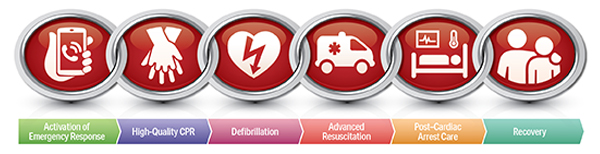
According to the American Heart Association, there are six steps in this process. Each is vitally important to a cardiac arrest patient’s survival. It’s important to understand the chain and what role you might play, should you encounter someone in sudden cardiac arrest.

The Six Steps of the Out-of-Hospital Chain of Survival

out-of-hospital chain of survival
image c/o American Heart Association

  1. Recognition of cardiac arrest, and activation of the emergency response system (calling 911)
  2. Performing CPR as quickly as possible, with an emphasis on chest compressions
  3. Defibrillation with an AED
  4. Resuscitation and advanced care performed by emergency medical responders and health care providers
  5. Additional care performed after the cardiac arrest
  6. Recovery treatment, rehabilitation or observation as needed

A Bystander’s Role in the Chain of Survival

The first three steps of the chain must often be performed by bystanders, whether or not they know the patient. If nothing else, it’s vital to understand when a sudden cardiac arrest is taking place, and to call 911.

But performing CPR as soon as possible is key to improving outcomes. According to data from 2014, almost 45 percent of people who suffer cardiac arrest outside of health care settings survived when bystander CPR was performed. And because about 70 percent of cardiac arrests take place in the home, the life you save may be that of a family member.

Ready to get started with CPR? Schedule a CPR training course today.

HeartCert CPR is your trusted training partner for CPR, ACLS, PALS, EMR and First Aid in the Twin Cities and throughout Minnesota.

HeartCert CPR courses include CPR/AED/First Aid and CPR/AED, Basic Life Support (BLS), Advanced Cardiac Life Support (ACLS), Pediatric Advanced Life Support (PALS), and Certified Nursing Assistant training. Courses and certifications from both the American Heart Association and American Red Cross are available.

We are now offering virtual CPR courses and certifications, as well as safe in-person courses at our headquarters, HeartCert CPR Eagan.

Filed Under: News Tagged With: AED, cardiac arrest, CPR, hands-only cpr, reasons to take cpr classes

Why Women Are Less Likely to Receive CPR

5 years ago by Larry Seth Leave a Comment

February marks both American Heart Month and Go Red for Women. This makes it the perfect time to discuss overall heart health and the impact of heart disease, and related biases, on women. For example: did you know that women are less likely to receive CPR from a bystander than men? This was the finding of a recent survey, and it translates to greater impacts for women of all demographics.

According to a 2018 survey discussed by the American Heart Association, 45% of men received bystander CPR, compared to 39% of women. Overall, men had a 23% higher likelihood of survival than women.

women receive CPR
photo credit: @giulia_bertelli accessed 2/3/21 via CC0

To ensure better outcomes for women suffering from cardiac arrest, here are a few ways to promote and encourage performing bystander CPR on women.

Why Are Women Less Likely to Receive CPR Than Men?

Survey respondents gave three primary reasons for their reluctance to perform CPR on women.

  1. Fear of being accused of inappropriate physical contact or sexual assault
  2. Fear of harming the victim
  3. The misconception that women don’t have cardiac arrests or are being overdramatic

For men, the first reason is the most prevalent, and the second is most prevalent for women.

How to Encourage Bystanders to Perform CPR on Women

Education is one of the easiest and most effective ways to dispel myths and encourage bystanders to perform CPR on women. For example, there is a very small probability of injuring someone by administering CPR on them. If that is more widely known and understood, there might be less hesitance.

Register For a CPR Class

In addition, greater education about the necessity of performing CPR could help, especially when helping people overcome fears of sexual assault accusations. When a woman is in medical distress, help is necessary, even if it feels inappropriate at the time.

Training more people on how to perform hands-free CPR could significantly reduce this disparity. Consider hosting a CPR course for your workplace, or register for a virtual class.


HeartCert CPR is your trusted training partner for CPR, ACLS, PALS, EMR and First Aid in the Twin Cities and throughout Minnesota.

HeartCert CPR courses include CPR/AED/First Aid and CPR/AED, Basic Life Support (BLS), Advanced Cardiac Life Support (ACLS), Pediatric Advanced Life Support (PALS), and Certified Nursing Assistant training. Courses and certifications from both the American Heart Association and American Red Cross are available.

We are now offering virtual CPR courses and certifications, as well as safe in-person courses at our headquarters, HeartCert CPR Eagan.

Filed Under: News Tagged With: CPR, CPR training, reasons to take cpr classes, who needs cpr, women

What’s the Difference Between Heart Attack and Sudden Cardiac Arrest?

5 years ago by bwadmin Leave a Comment

Many people associate CPR with heart attacks. However, because heart attacks usually don’t cause the heart to stop beating, CPR is not often needed following a heart attack. In contrast, a sudden cardiac arrest occurs suddenly, without warning, and stops the heart from pumping blood. This is when CPR is needed to save the patient’s life, and to preserve brain and organ function.

Register For a CPR Class

What are other differences between heart attack and cardiac arrest? We turned to the American Heart Association for more information.

What is a Heart Attack?

When a blocked artery prevents oxygen-rich blood from reaching a section of the heart, that part of the heart begins to die. If the blocked artery is not reopened, damage can be severe.

Because of the gradual nature of a heart attack, symptoms often begin and build slowly, over the course of several hours, days, or even weeks. And symptoms vary, especially between men and women. It’s important to know and be able to recognize symptoms and seek medical attention as soon as possible.

sudden cardiac arrest
photo credit: @averey accessed 12/2/20 via CC0

What is a Sudden Cardiac Arrest?

Unlike the slow build of a heart attack, a sudden cardiac arrest occurs with little warning. The effects are immediate. Cardiac arrest is triggered by an irregular heartbeat (also known as arrhythmia). This disrupts the heart’s ability to pump blood throughout the body.

Without CPR performed by a bystander or medical professional, the patient will lose consciousness and die in a matter of minutes. Even if the patient survives, the lack of blood and oxygen to the brain and organs could cause permanent damage. This is why it’s vitally important for bystanders to know CPR – and be ready and willing to perform it when necessary.

HeartCert CPR is your trusted training partner for CPR, ACLS, PALS, EMR and First Aid in the Twin Cities and throughout Minnesota.

HeartCert CPR courses include CPR/AED/First Aid and CPR/AED, Basic Life Support (BLS), Advanced Cardiac Life Support (ACLS), Pediatric Advanced Life Support (PALS), and Certified Nursing Assistant training. Courses and certifications from both the American Heart Association and American Red Cross are available.

We are now offering virtual CPR courses and certifications! Find your CPR class at any of our convenient Twin Cities locations, including our headquarters, HeartCert CPR Eagan.

Filed Under: News Tagged With: cardiac arrest, CPR, heart attack, heart attack risk factors

  • « Go to Previous Page
  • Page 1
  • Page 2
  • Page 3
  • Page 4
  • Page 5
  • Go to Next Page »

Footer

logo-transparent

4460 Erin Dr.
Eagan, MN 55122

651-261-2314
info@HeartCertCPR.com
HeartCertCPR.com

  • Facebook
  • LinkedIn
  • Twitter
  • YouTube

Resources

  • Join Our Team
  • AED and Product Purchases
  • FAQs
  • Replacement Cards
  • Rescheduling Fee

Stay in Touch

  • This field is for validation purposes and should be left unchanged.

Copyright © 2026 HeartCert | EEO/AA Employer | All Rights Reserved | Privacy Policy | Terms of Use | Minneapolis Web Design by BizzyWeb | Log in